Pillar Creek Hatchery

About the Hatchery

Pillar Creek Hatchery (PCH) was constructed in 1990 as a cooperative project between ADF&G and KRAA. PCH is owned by the State of Alaska and is located on Kodiak Island Borough land that is leased to the State of Alaska. KRAA operates the facility under an agreement with the State.

PCH was designed as a central incubation facility where salmon eggs needed for production are collected from brood sources located at sites remote from PCH and transported to the facility for incubation, hatching, and rearing of resulting juvenile fish. Most juvenile fish are then transported to and released at sites remote from PCH and for stocking anadromous lakes to rehabilitate weak sockeye salmon stocks.

PCH primarily produces juvenile sockeye salmon for stocking barren-lake systems to enhance adult salmon production. These stocking projects increase sockeye salmon harvest opportunities in the Kodiak Management Area (KMA) for common property fisheries available to all Kodiak commercial, subsistence, personal use, and recreational fishermen. Secondarily, PCH produces coho salmon smolt for road-system stocking.

Through a cooperative agreement with the Alaska Department of Fish and Game Sport Fish Division, PCH produces king salmon and rainbow trout for road-system releases. These releases create easy-access sport fishing opportunities for the public and professional fishing guides alike.
Species Produced at PCH:

permitted for 20 million eggs
permitted for 450,000 eggs
permitted for 500,000 eggs
permitted for 200,000 eggs

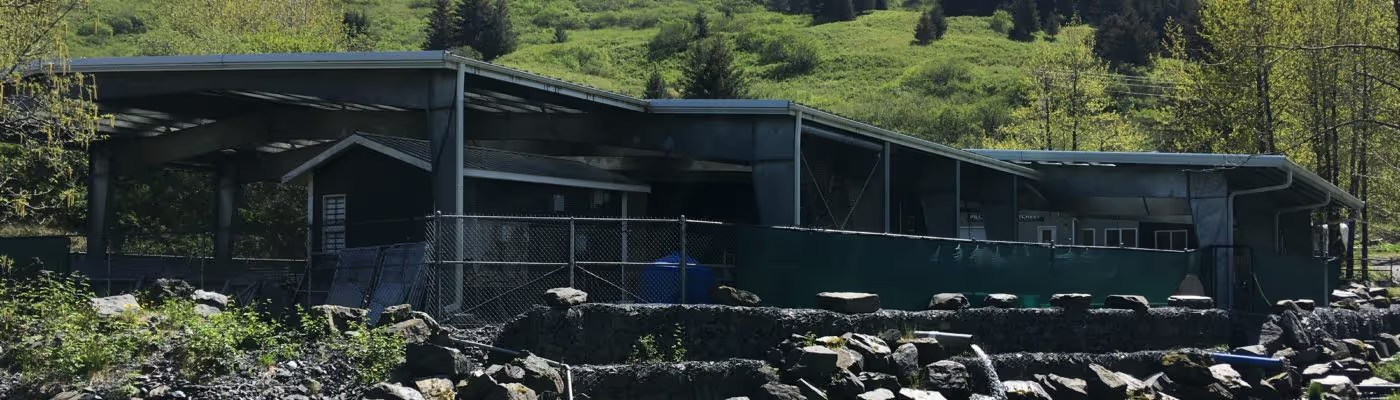
Pillar Creek Hatchery Virtual Tour

Industrial structure with large metal roof surrounded by a chain-link fence and stone barriers, set against a green hillside.
Click the arrows to take the virtual tour
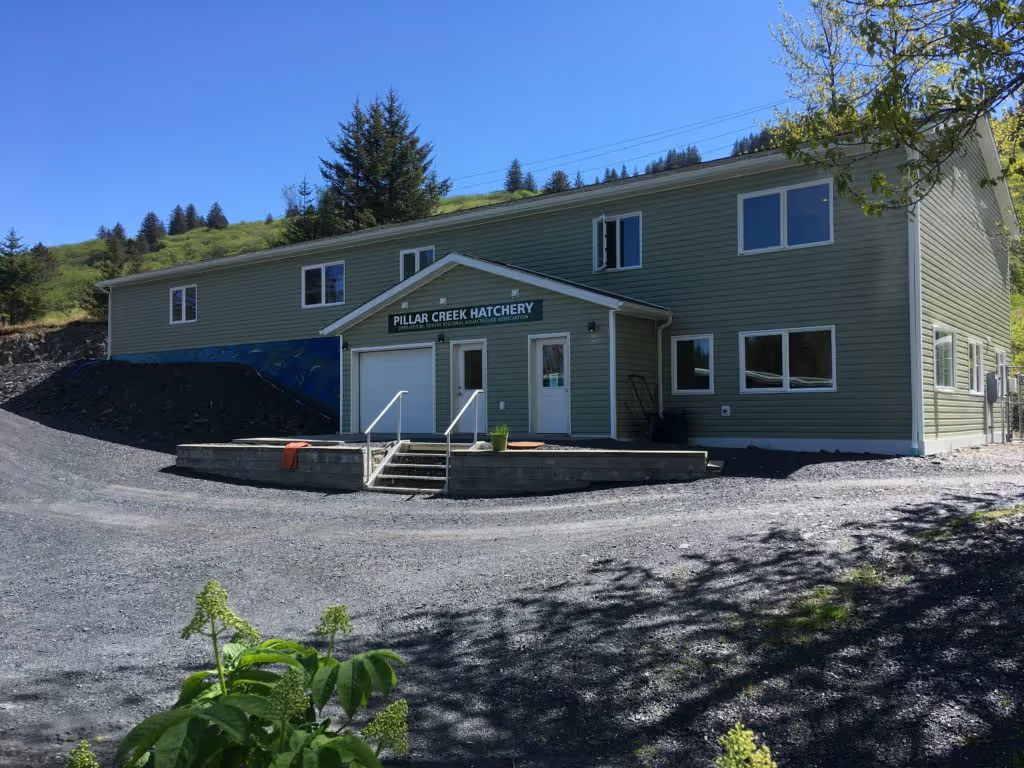
Green building with sign 'Pillar Creek Hatchery' surrounded by gravel driveway and hillside trees under clear blue sky.
The PCH-HQ sports offices, an apartment, a workshop, feed and gear storage, and a garage.
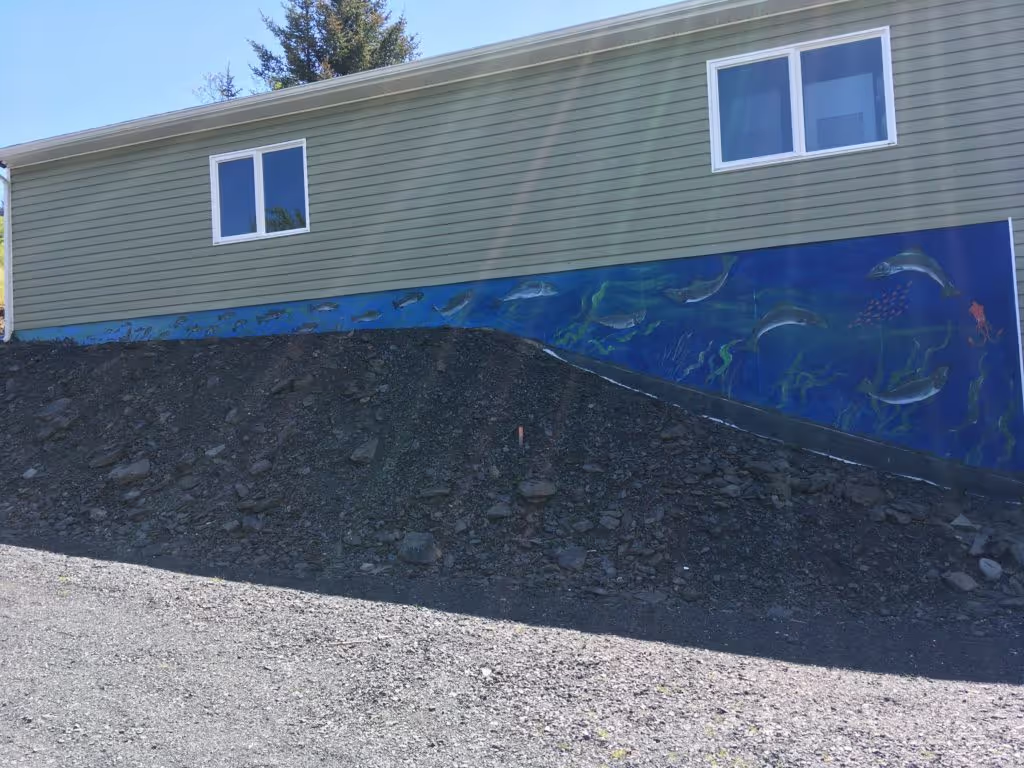
Side of a green house with two windows and a mural at the base depicting underwater sea life, including fish, dolphins, seaweed, and an octopus against a blue background.
A mural featuring the life-cycle of pacific salmon adorns the side of the PCH-HQ.
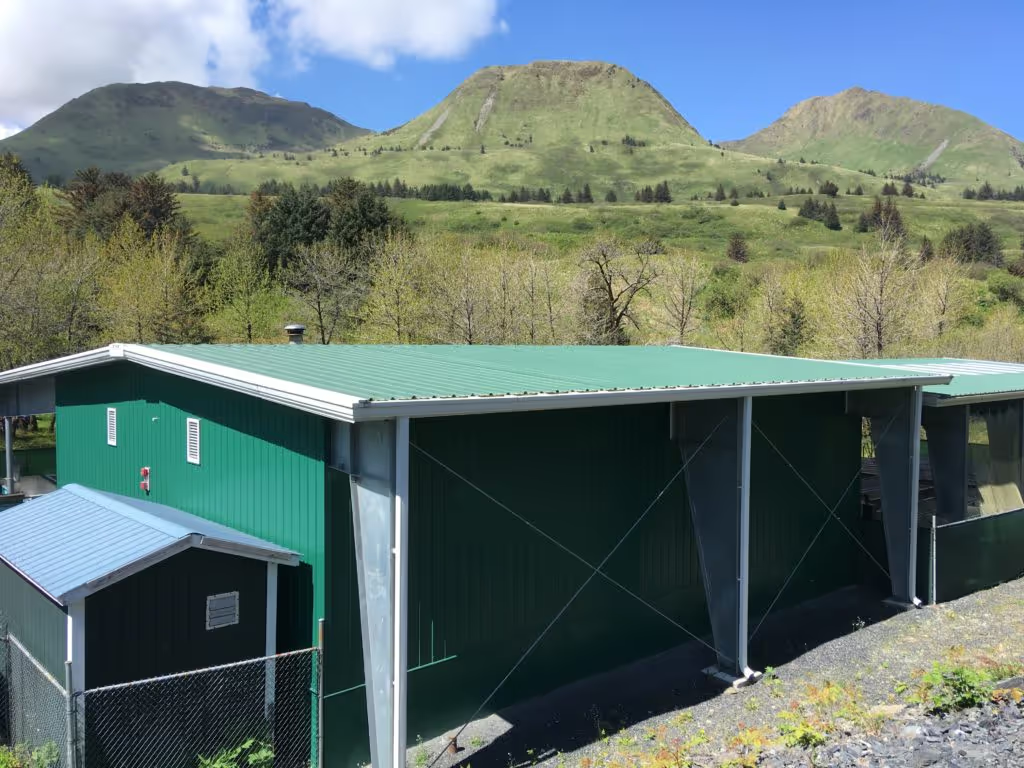
Green metal building with a shed roof surrounded by trees and hills under a blue sky with clouds.
The new incubation building now has a second story for storage and a boiler.
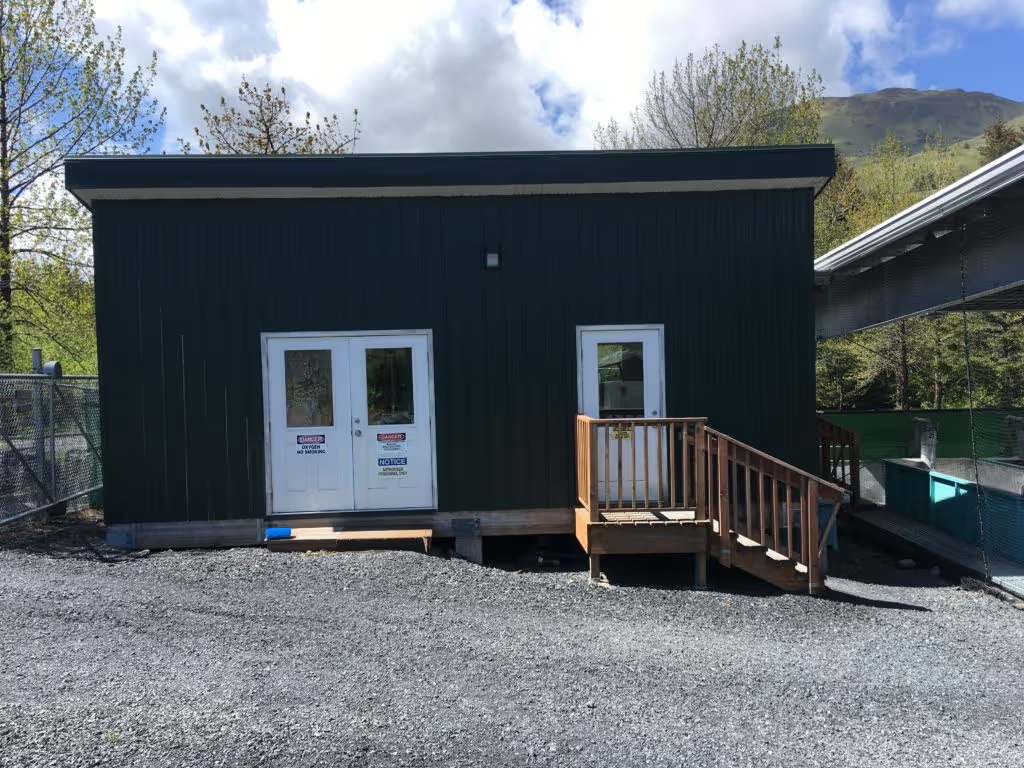
Small dark green building with two white doors, one with a wooden ramp and railing, situated on gravel with trees and mountains in the background.
Not only does the oxygen building house the oxygen generators, but has space for a wet lab.
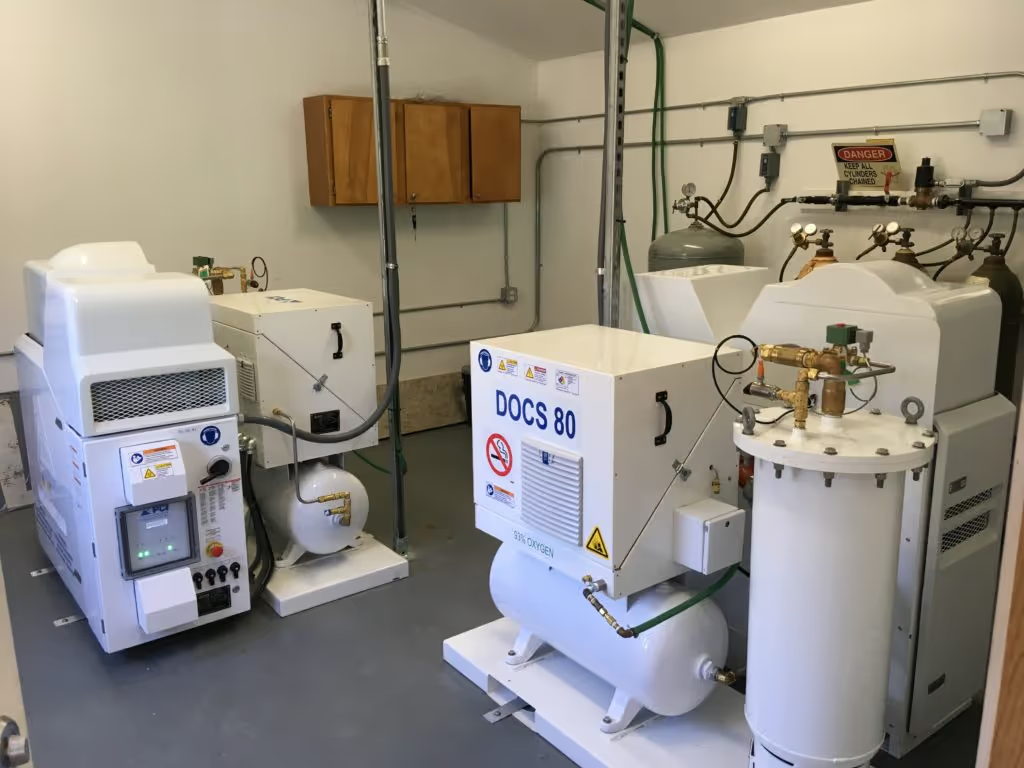
Industrial room with white medical oxygen concentrators including one labeled DOCS 80 and gas cylinders in the background.
Inside the oxygen building, the oxygen generators produce medical-grade oxygen to send to the raceways for rearing salmon fry and smolt.
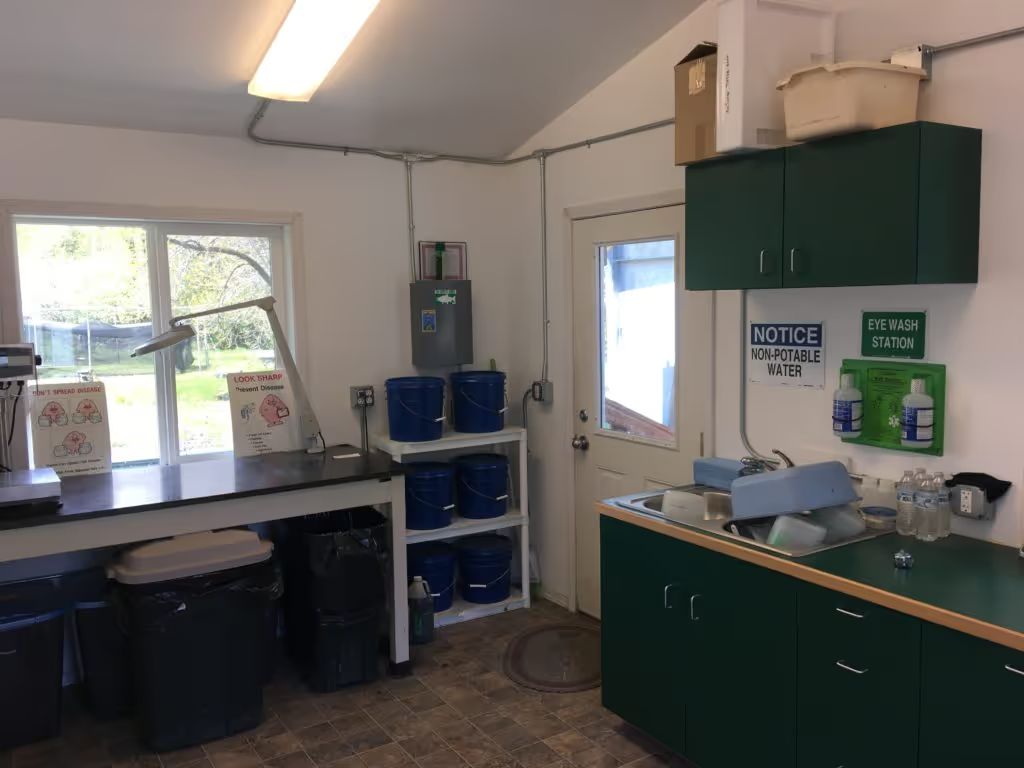
Interior room with green cabinets, a sink with stacked trays, an eye wash station on the wall, and blue buckets on white shelves next to a door and window.
The wet lab provides a space for fish pathology work and an area to prepare feed for the sport fish rearing area.
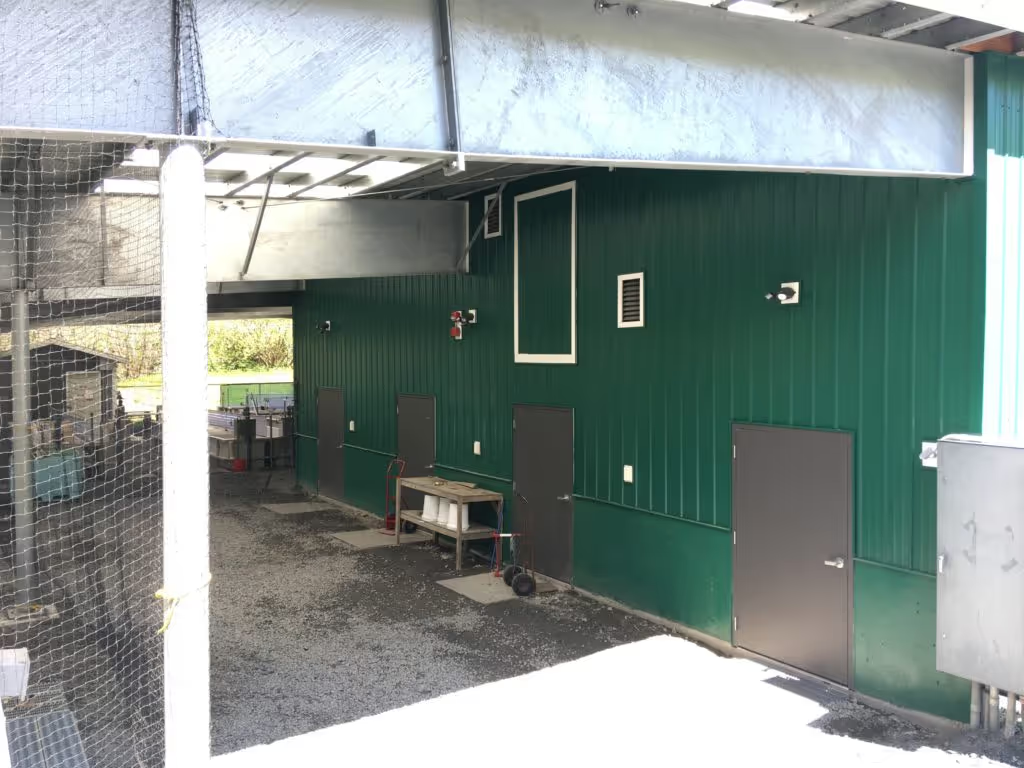
Outdoor view of a green industrial building wall with multiple brown doors, security cameras, and a table with some items underneath a metal overhang.
The roof provides a nice covered space between the raceways and the incubation building.
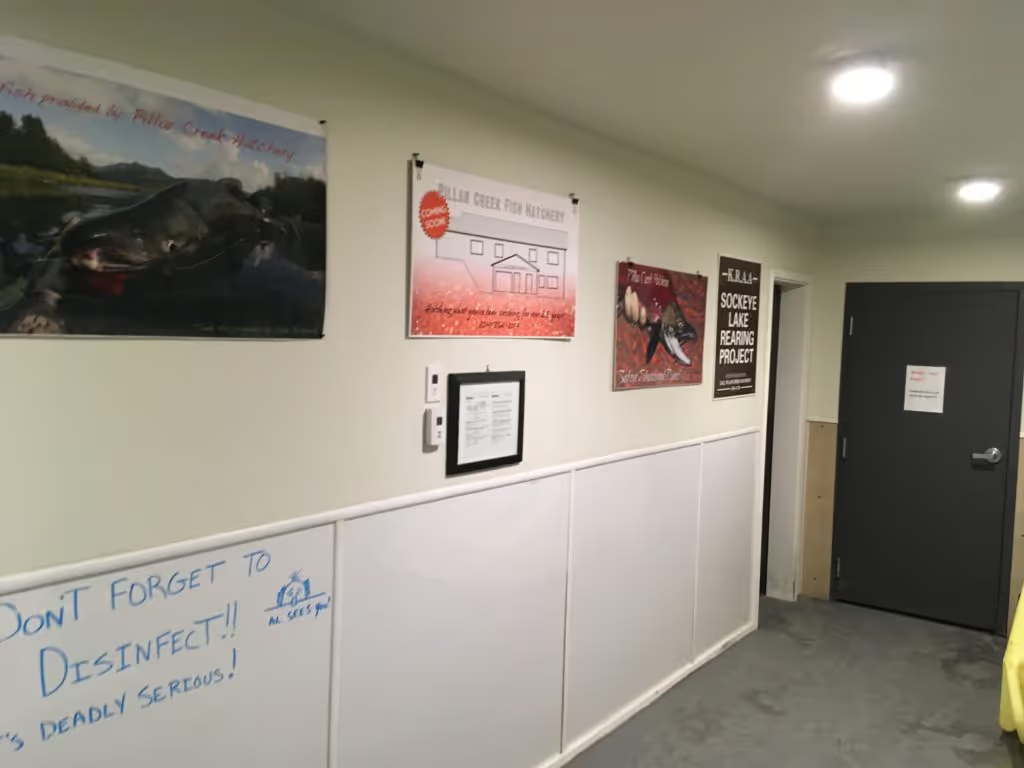
Indoor hallway with posters about Pillar Creek Fish Hatchery and a whiteboard reminding to disinfect with message 'It's deadly serious!'
Inside the incubation building is a small area that provides direct access to incubation module 4 and to all the incubation modules via a corridor (to the left).
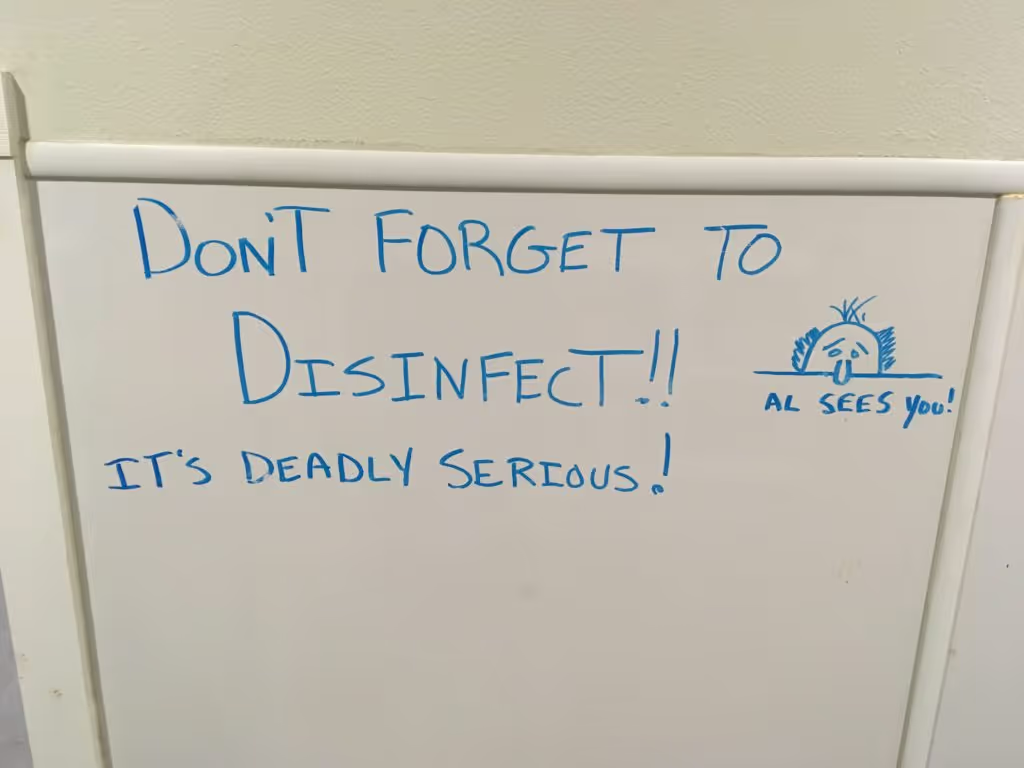
Whiteboard with message in blue marker reading 'DON'T FORGET TO DISINFECT!! IT'S DEADLY SERIOUS!' and a drawing of a face peeking over a line with text 'AL SEES you!'
A friendly reminder from the manager!
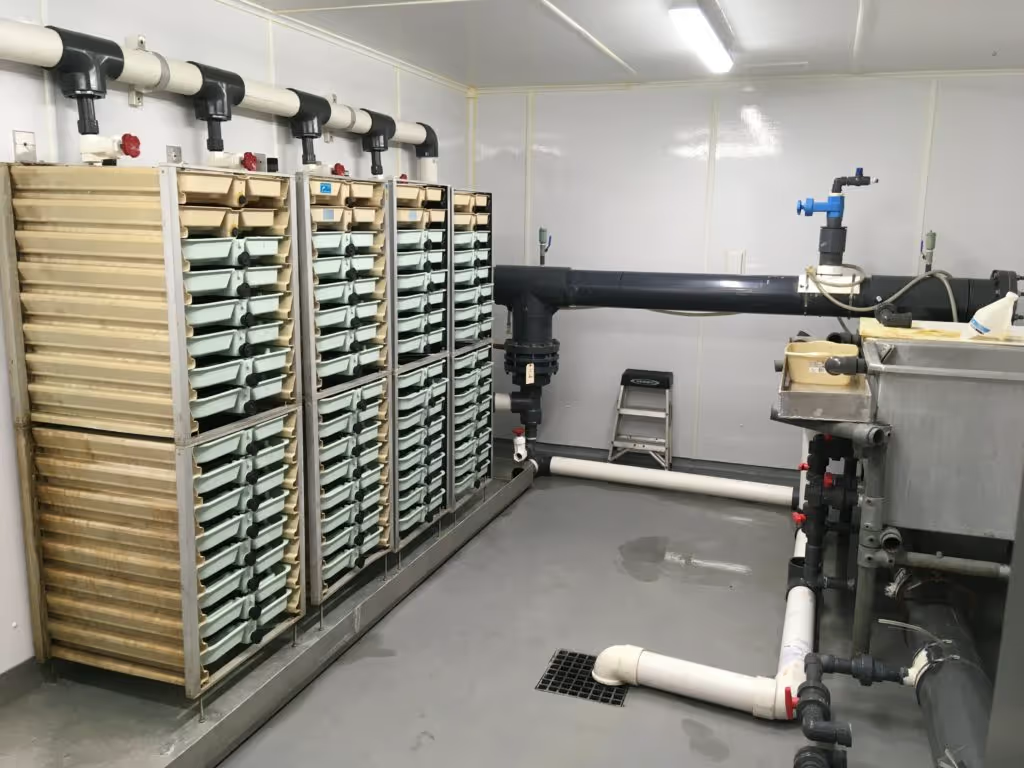
Indoor aquaculture system with multiple trays and interconnected piping in a clean, gray room.
King salmon and rainbow trout are incubated in Heath trays here in incubation module 4.
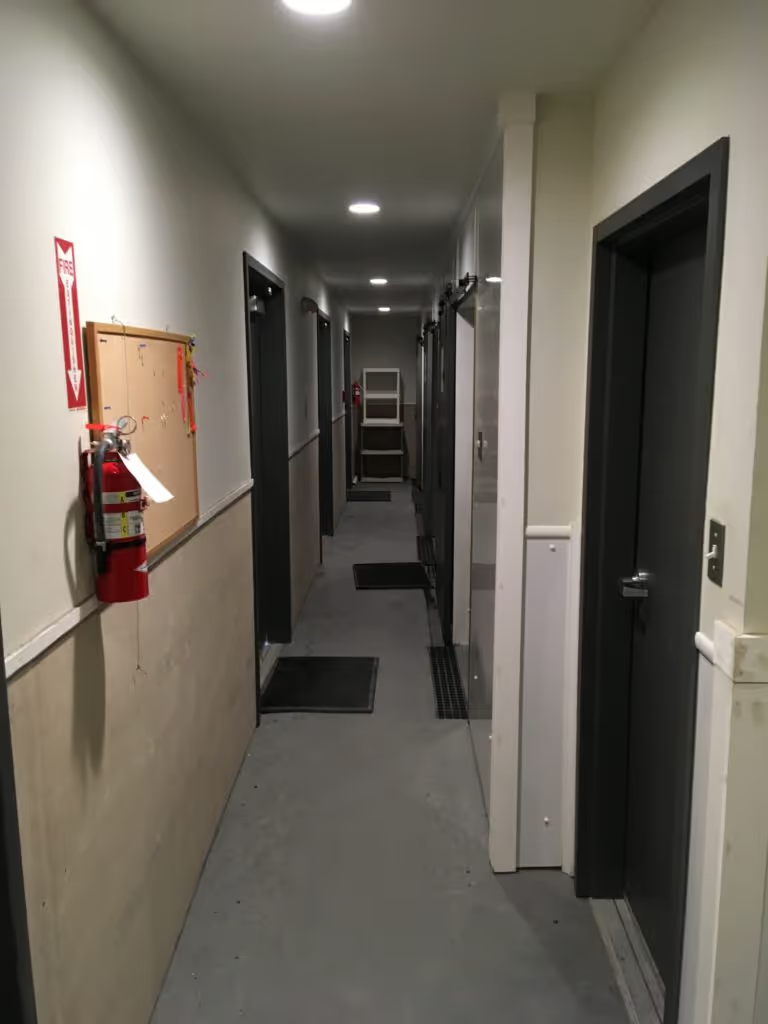
Narrow hallway with multiple closed dark doors on both sides, gray floor mats, overhead lights, and a fire extinguisher mounted on the left wall.
The covered corridor to incubation modules 1-3 provides a secondary pathology barrier and helps keep down dust and dirt from the outside.
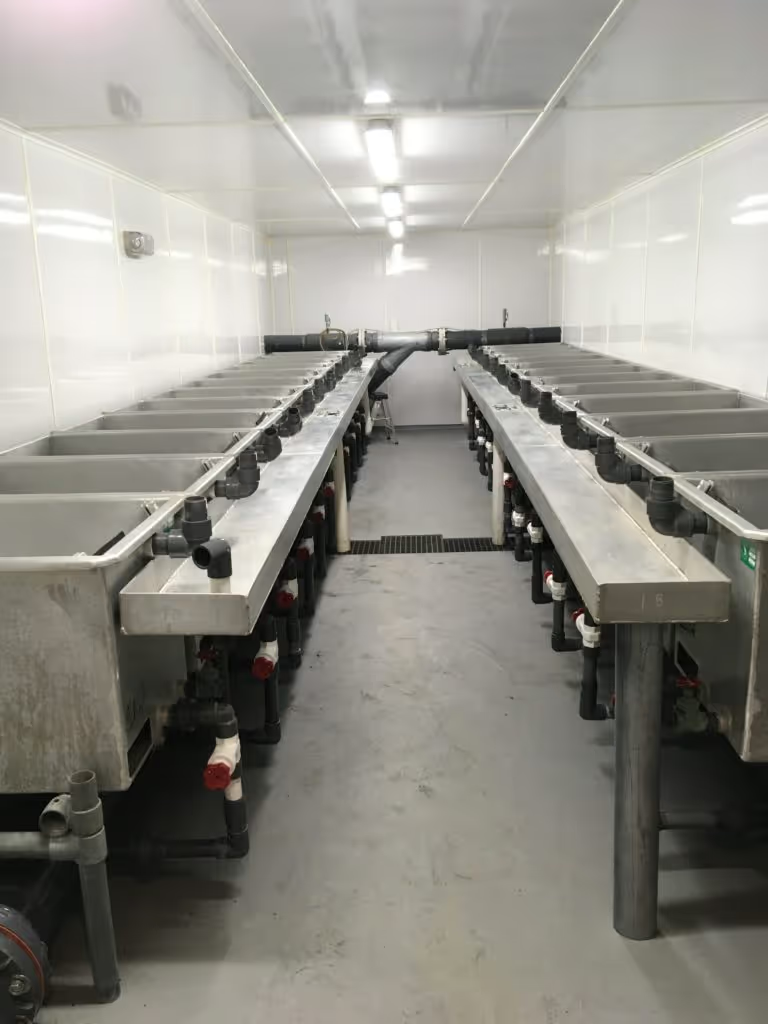
Room with two long rows of stainless steel tanks or troughs connected by black pipes and valves underneath.
Incubation modules 1-3 are outfitted with Kitoi Box incubators for late and early-run sockeye salmon as well as coho salmon.
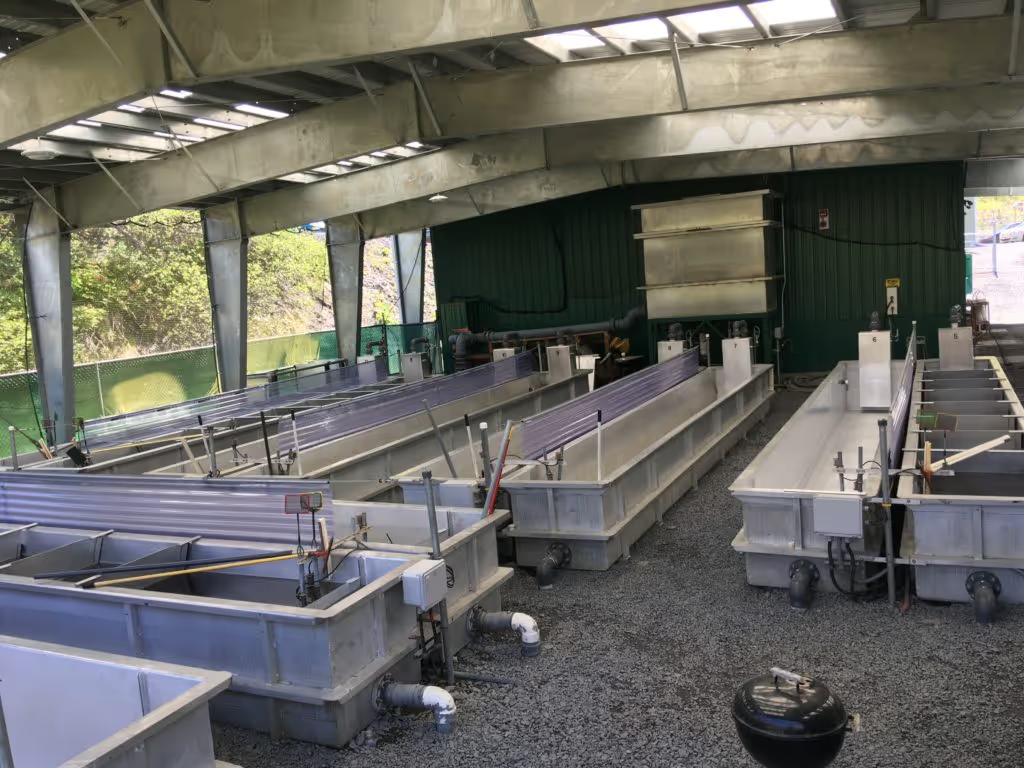
Industrial indoor facility with large rectangular water tanks and metal pipes on a gravel floor under a partially open roof.
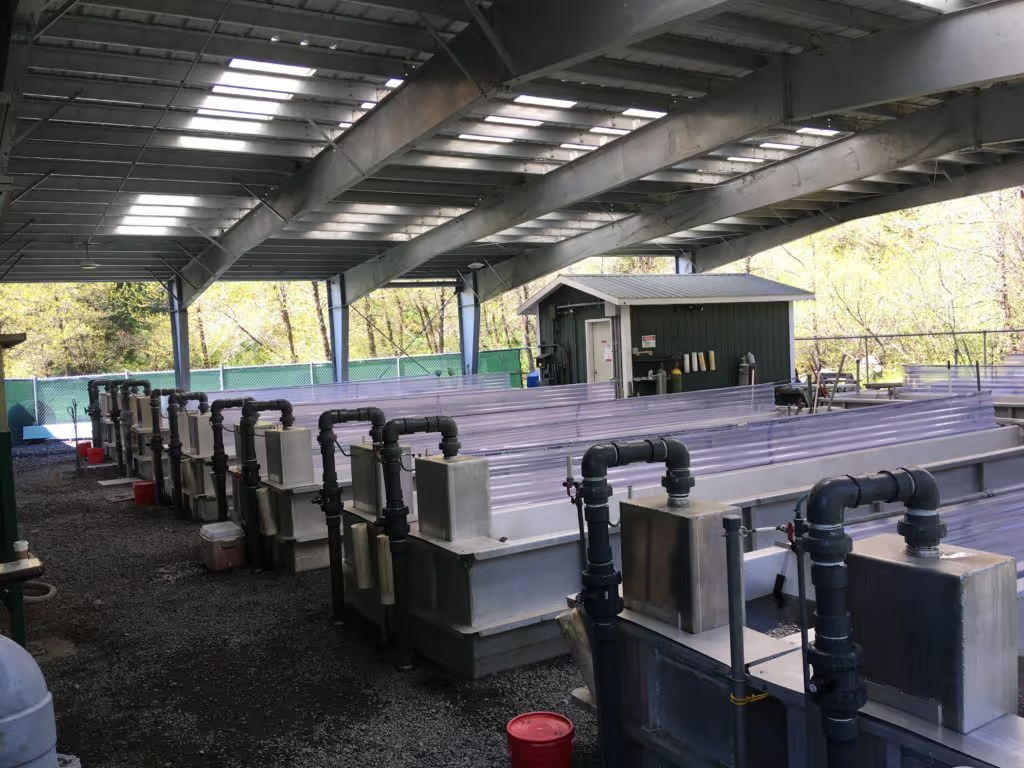
Sockeye salmon rear in large containers called raceways. Throughout the summer, Pillar Creek Hatchery staff feed and monitor the young salmon until release.
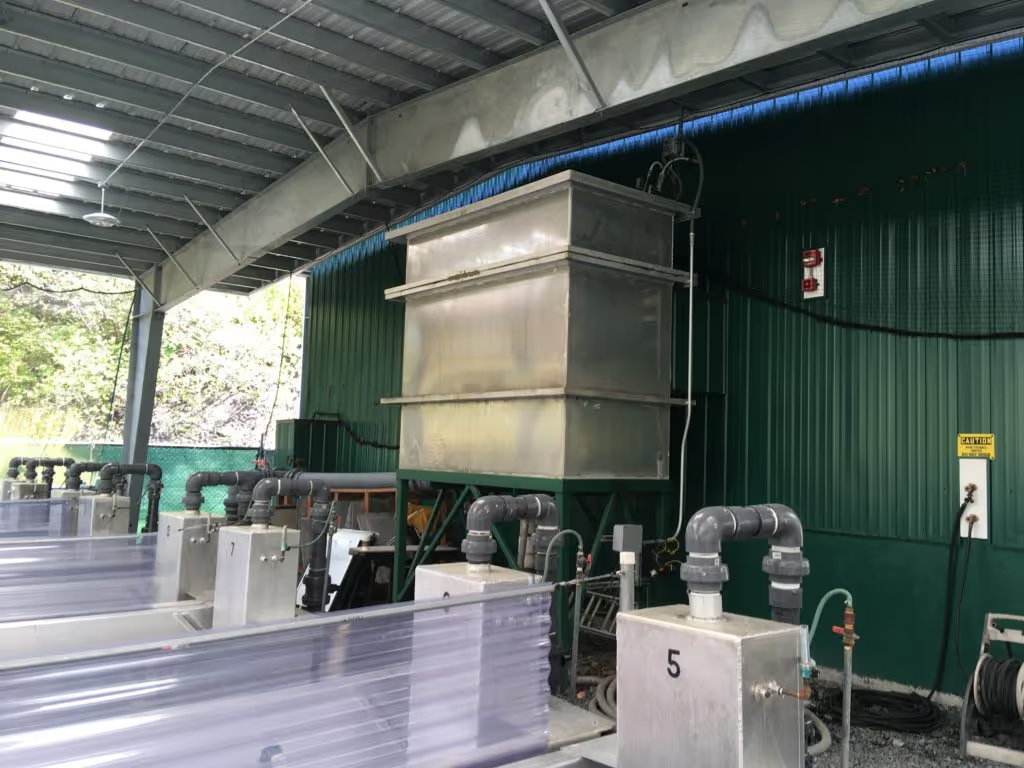
Industrial setup with numbered metallic water treatment units and large tank under a metal roof structure.
This large head box collects water from two wells. The water is distributed to the incubation modules via gravity.
Industrial aquaculture facility with multiple long, covered fish tanks under a large metal roof structure surrounded by trees.
An alternate view of the sockeye raceways shows the oxygen contactors (rectangular aluminium boxes). These contactors increase the oxygen distribution to the water in the raceways.
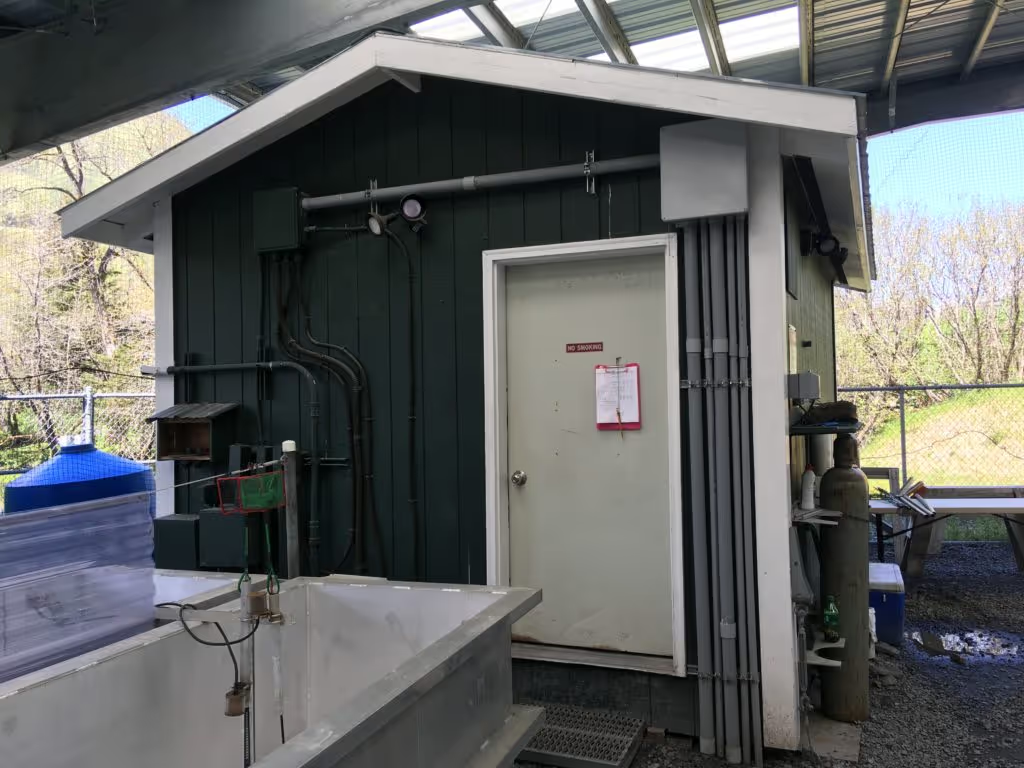
Small green utility shed with a white door labeled No Smoking, surrounded by pipes, cables, and industrial equipment under a metal roof.
This small shed, the “dugout,” houses the controls for the wells, feed for the sockeye, and a break room for the hard-working staff.

Rearing Programs

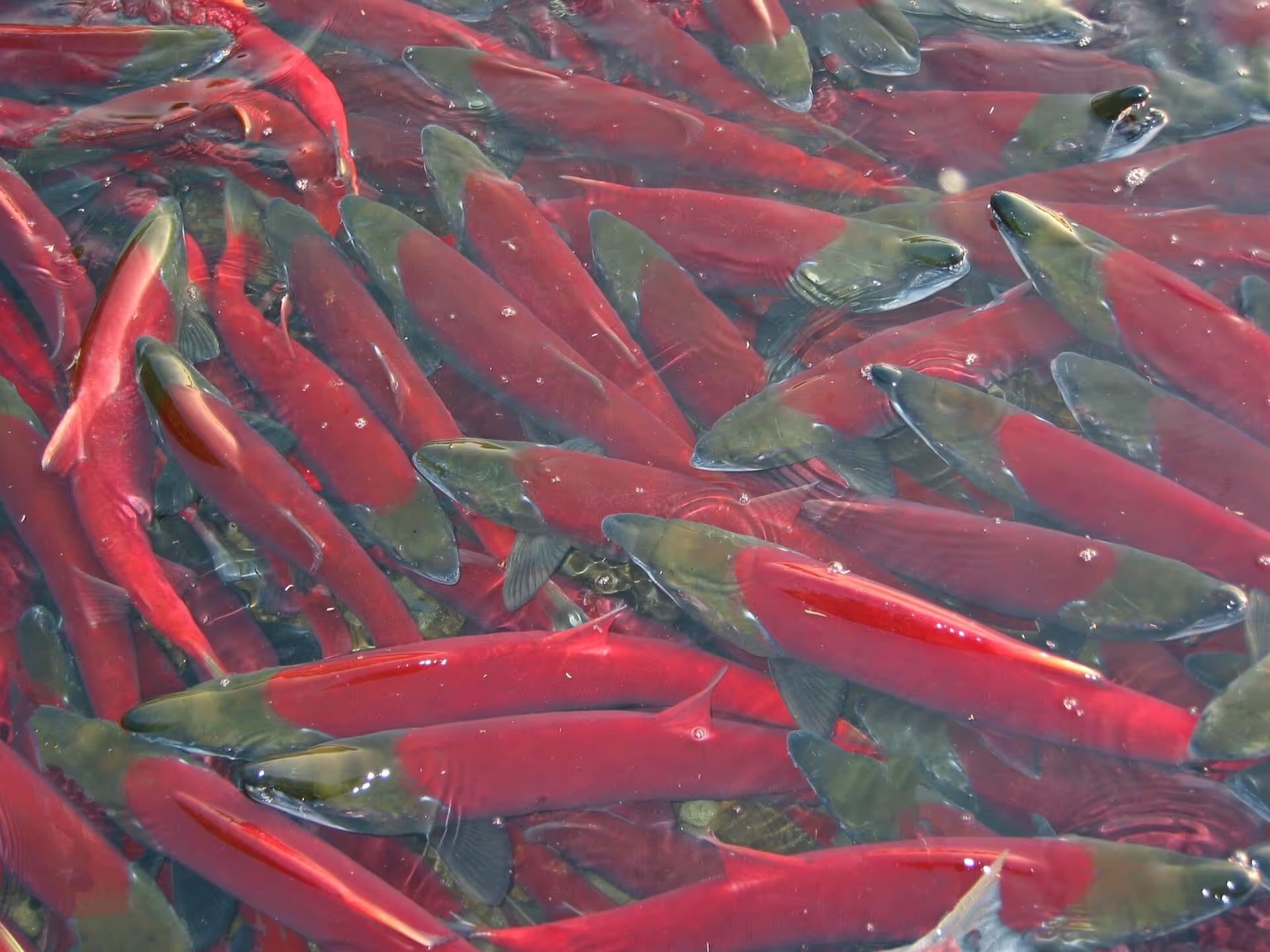
A large school of bright red and greenish fish swimming closely together underwater.

Sockeye Salmon

Pillar Creek Hatchery utilizes both early-run and late-run wild stocks to support commercial and subsistence harvest of sockeye in the Kodiak Archipelago. PCH staff gather adults for egg collection after their systems have achieved a minimum level of sustainable escapement as determined by ADF&G biologists. The resulting juveniles are reared at Pillar Creek for up to a year before being transported by floatplane to their stocking locations on Kodiak and Afognak Islands. Most of these fish are released into nursery lakes as fed-fry (under 1 gram in size) to finish growing to the smolt stage over the following 1-2 winters before out-migrating to the ocean. A portion are reared at Pillar Creek Hatchery over winter and released into Telrod Cove as smolt to supplement the outmigration of fish that reared in Spiridon Lake.

King Salmon

The Kodiak Road System King Salmon Enhancement Project is a cooperative program between KRAA and ADF&G. Each year the project provides opportunity (opportunity that didn’t previously exist) for sport anglers to catch king salmon returning to the Olds and American rivers and Salonie Creek. In August, KRAA and ADF&G work together to collect up to 250,000 king salmon eggs. The eggs are transported and incubated at Pillar Creek Hatchery. Once hatched, the juveniles will rear at the hatchery for a year before being released as smolt to the aforementioned locations.
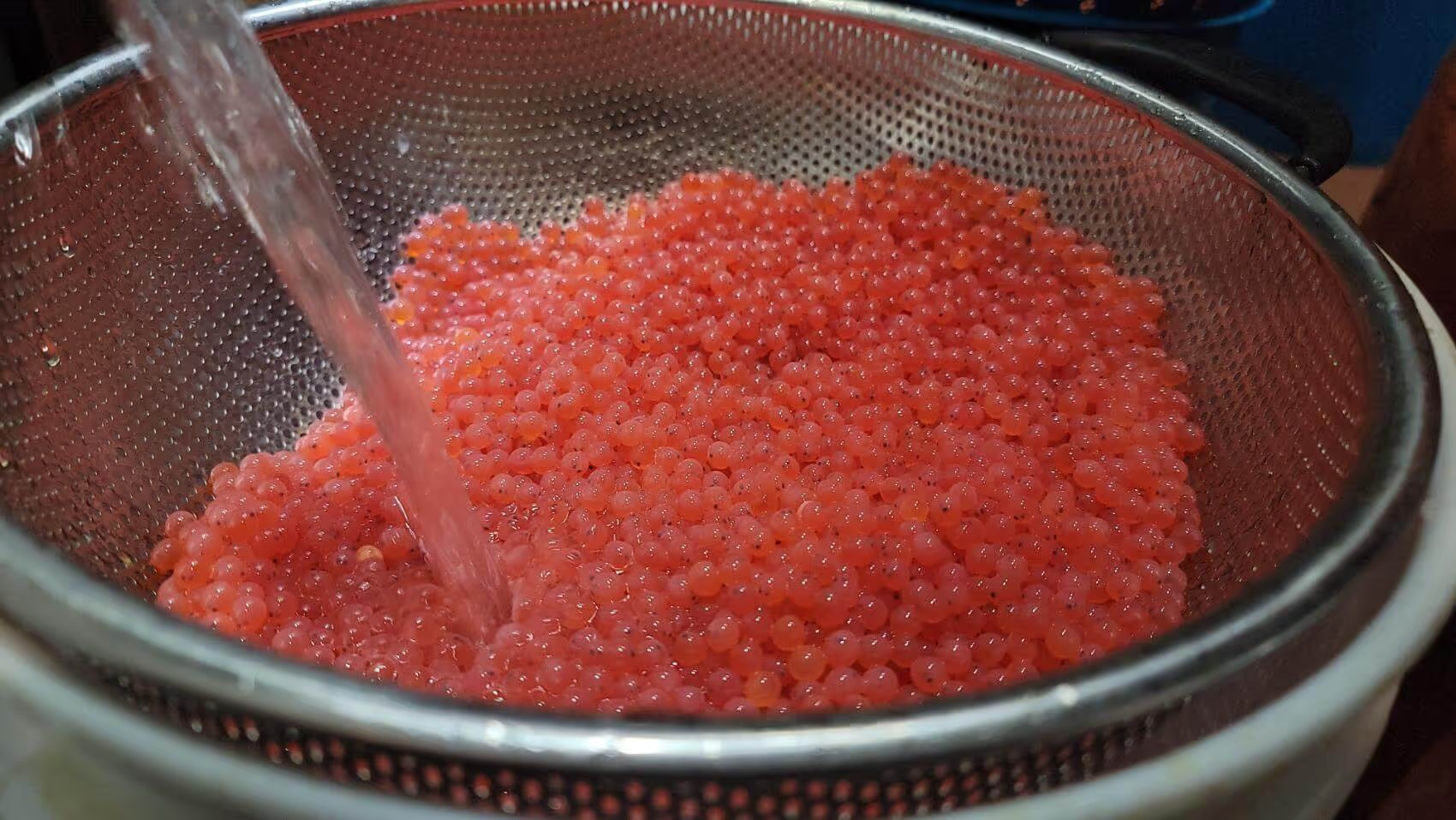
Red fish roe being rinsed with water in a metal colander.

Coho Salmon

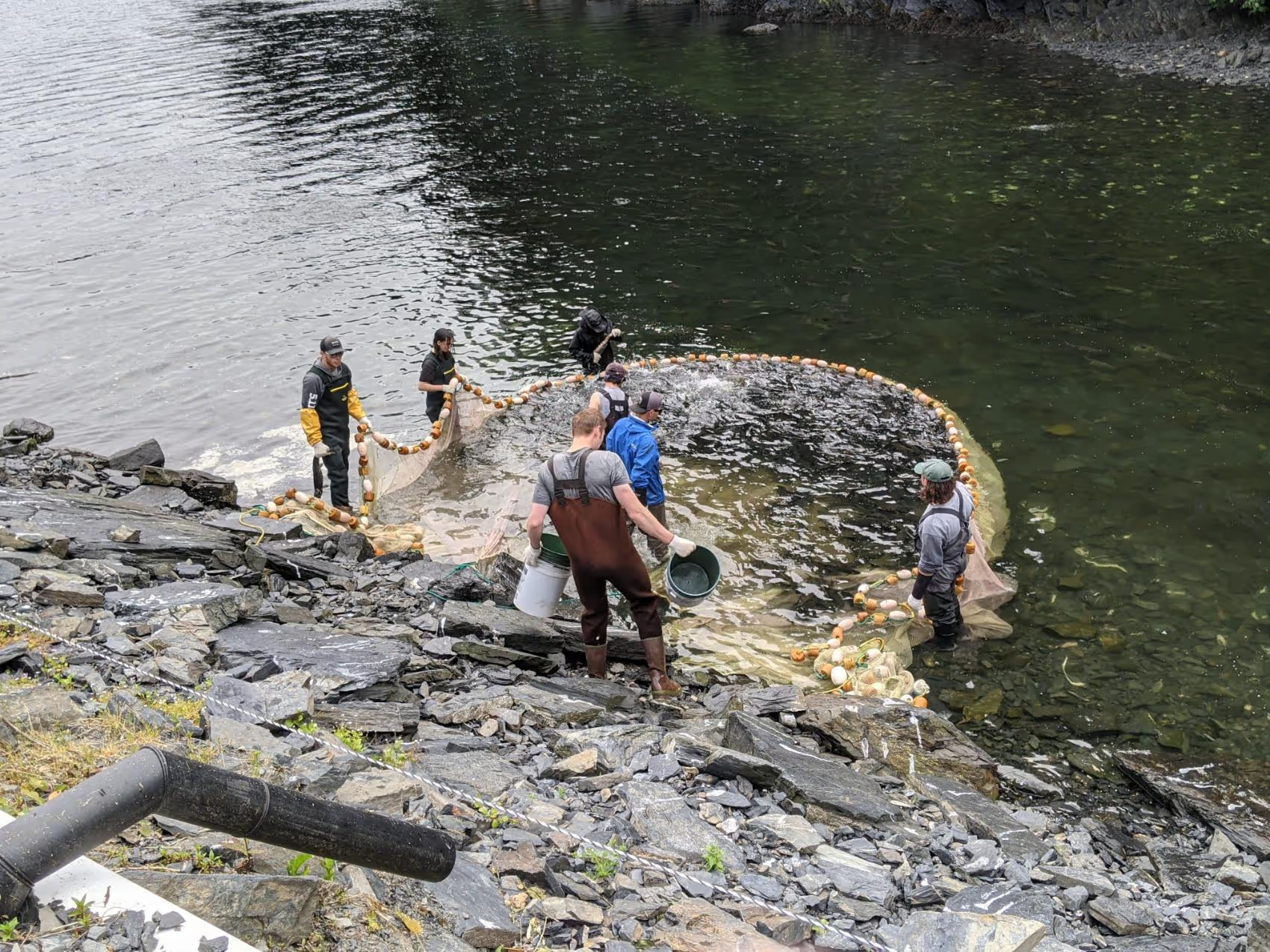
Production of coho salmon at Pillar Creek Hatchery is performed as part of a cooperative agreement between KRAA and ADF&G to create sportfishing opportunities on the Kodiak road system in conjunction with chinook and rainbow trout. In October, KRAA and ADF&G work together to collect and transport brood fish to enclosures near the Hatchery. Egg-take occurs in November in another collaborative effort that also includes the Salmon in the Classroom program. Resulting juveniles from the egg-take will rear at Pillar Creek Hatchery for up to a year before being released into Pillar Creek, Monashka Creek, and lakes upstream of Mill Bay and Mission Beach. The fourth grade classes participating in Salmon in the Classroom will each take possession of a small clutch of eggs to incubate and rear in their schools before releasing as fed-fry toward the end of the school year.
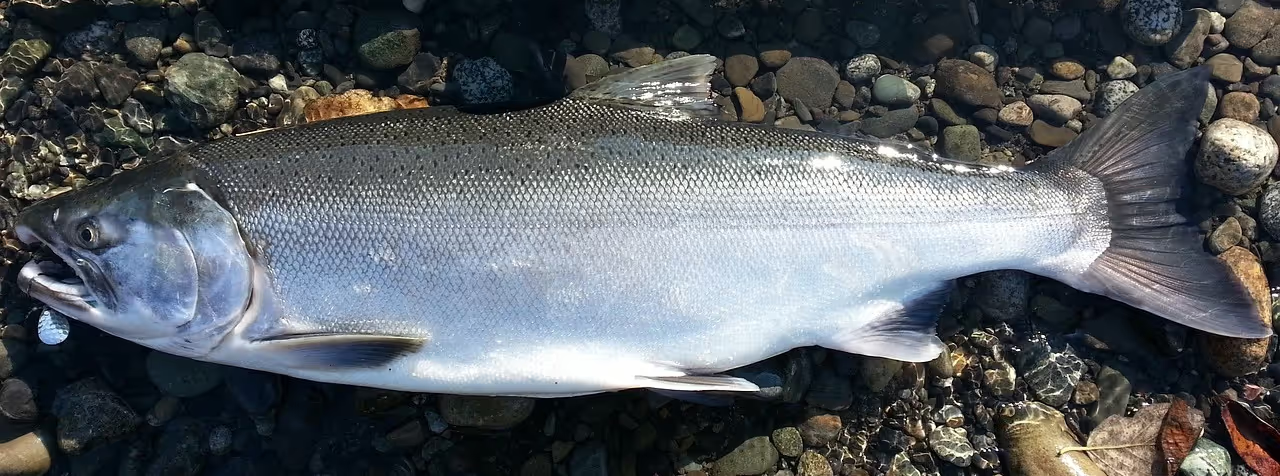
A large silver salmon lying on rocky riverbed stones with sunlight reflecting off its scales.
Group of people standing in shallow water near rocky shore holding a large circular fishing net.
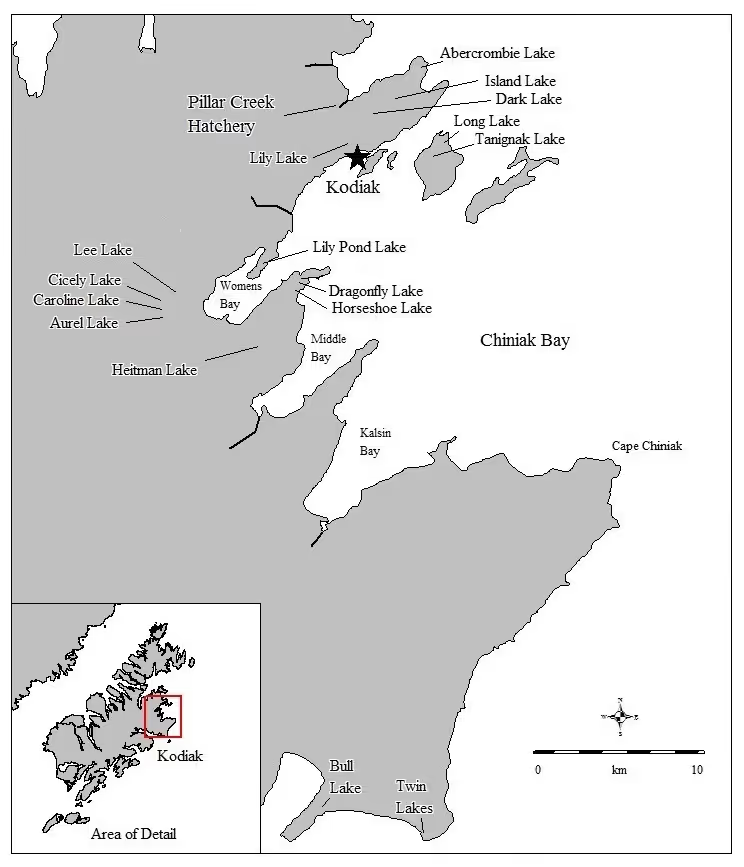
Map showing Kodiak and surrounding lakes and bays including Pillar Creek Hatchery, Lily Lake, Abercrombie Lake, Island Lake, Dark Lake, Long Lake, Tanignak Lake, Lee Lake, Cicely Lake, Caroline Lake, Aurel Lake, Heitman Lake, Dragonfly Lake, Horseshoe Lake, Lily Pond Lake, Chiniak Bay, Kalsin Bay, Bull Lake, Twin Lakes, and Cape Chiniak, with a scale bar and inset of area location.

Rainbow Trout

Rainbow trout eggs are flown to Kodiak from the William Jack Hernandez Sport Fish Hatchery in Anchorage. Once the eggs are in Kodiak, they are transported to Pillar Creek Hatchery where they will incubate for several months. After hatch, the young rainbows are reared by the PCH staff until they reach 1.0g. At this point ADF&G Sport Fish personnel will transport and release the fry into several lakes (pictured on map) along the Kodiak road system. This cooperative project provides excellent sport fishing opportunity for anglers seeking rainbow trout.
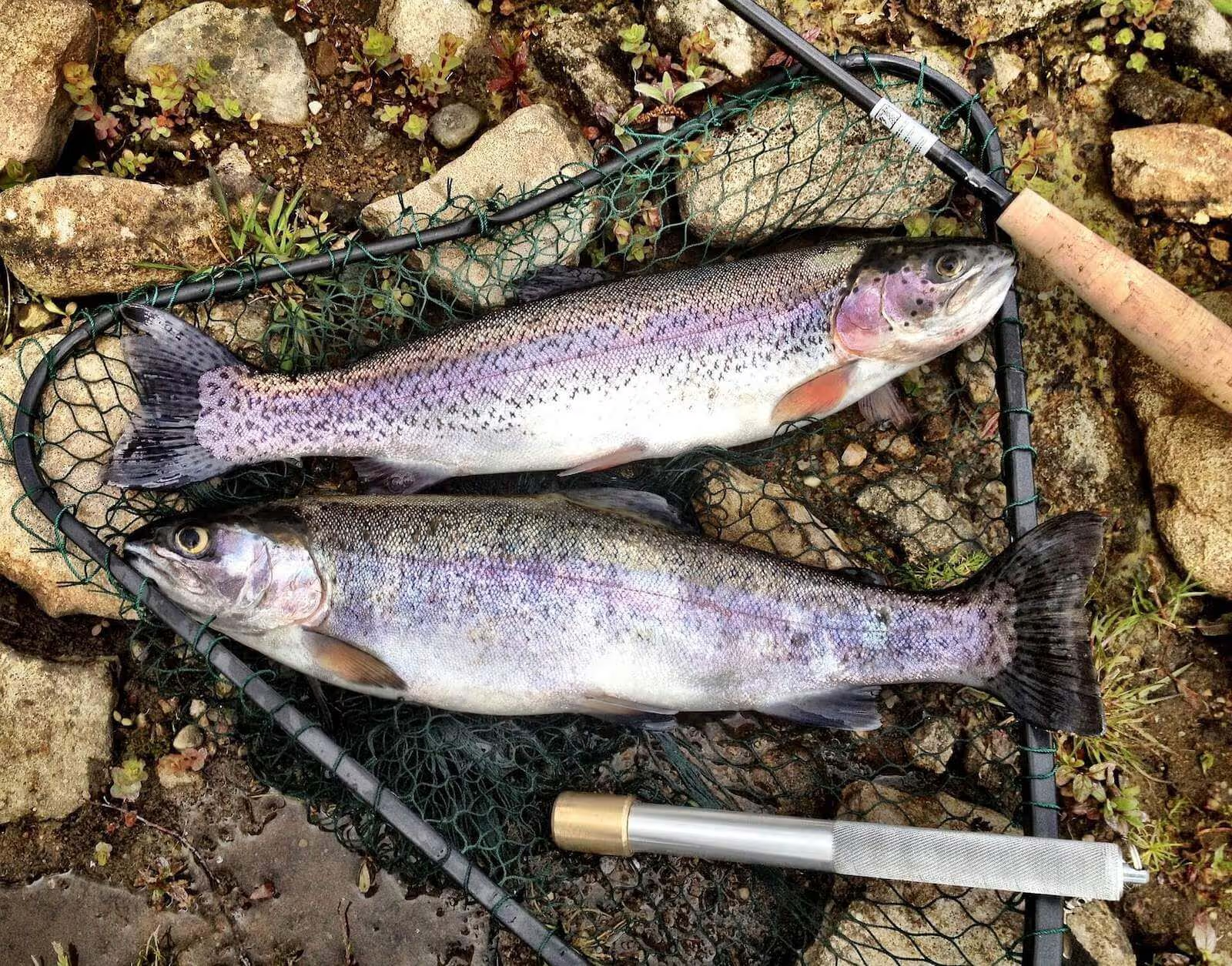
Two rainbow trout lying on a fishing net on rocky ground next to a fishing rod handle.